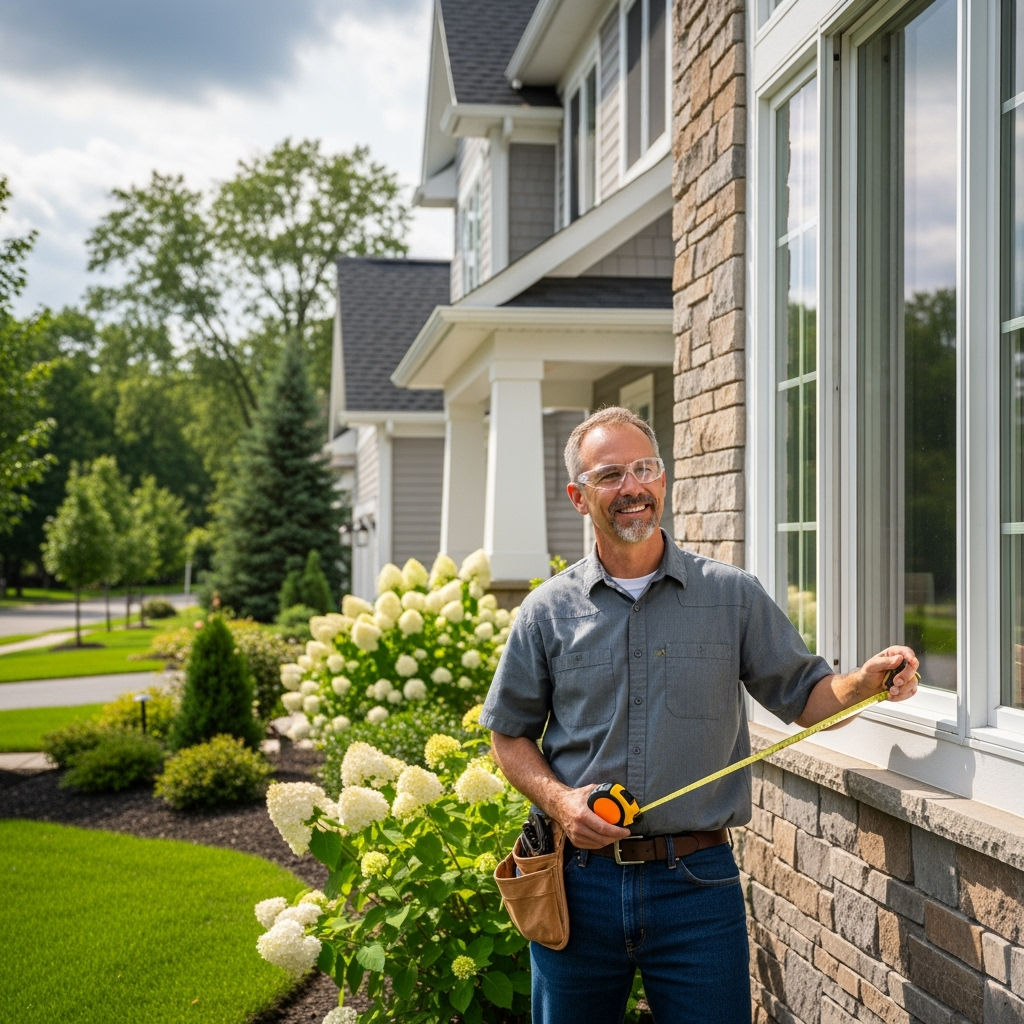
Thinking about upgrading your home’s comfort and curb appeal this season? If you’re exploring options for window replacement in New Jersey, you’re in the right place. The right windows can cut energy bills, reduce noise, and refresh the look of your house. For context about New Jersey’s housing and remodeling trends, the U.S. Census Bureau offers useful statewide data on homeownership and housing characteristics at their homepage www.census.gov.
Why window replacement matters now
Replacing windows is more than swapping glass. In this region, where humid summers and cold winters both put systems to the test, windows are a frontline defense against drafts, moisture, and sun damage. Many homeowners in the city and surrounding suburbs tell me they put off window projects because they were unsure about timing, budget, or disruption. Yet when you approach the job strategically—pairing window replacement with other exterior improvements like decks or landscaping—you get a bigger payoff in comfort, energy savings, and resale appeal.
Real benefits you’ll notice right away
New windows do a lot of practical things: they stop drafts, keep out rain-driven winds, reduce outside noise from nearby streets, and make rooms look brighter and cleaner. Beyond comfort, they often improve your home’s efficiency. Modern double- or triple-pane windows with low-emissivity (low-E) coatings and gas fills (argon or krypton) reduce heat transfer. That means less strain on HVAC systems during both summer and winter, which can translate to lower utility bills.
Key trends shaping window projects in this area
Two trends I’m seeing across New Jersey are especially relevant to homeowners planning window replacement.
– Energy-focused upgrades: There’s rising interest in windows rated for energy performance. Buyers and insurers are paying attention to U-factor and Solar Heat Gain Coefficient (SHGC) numbers, which affect heating and cooling demands.
– Integrated outdoor living: Homeowners increasingly combine window upgrades with exterior projects—decks, patios, and landscape redesigns—to create seamless indoor-outdoor living. Coordinating these improvements at once cuts overall project time and often lowers combined labor costs.
How to plan a window replacement project that fits your home
Start with a clear goal. Are you focused on comfort and energy savings, or is curb appeal the priority? Do you need storm-ready frames for coastal winds, or sound reduction near a busy street? Once you’ve chosen a goal, follow these practical steps.
– Take inventory: walk each room and note which windows leak air, fog between panes, stick, or look visibly damaged.
– Prioritize rooms: kitchens, living rooms, and bedrooms are often first because they affect daily comfort.
– Set a realistic budget: include removal, disposal, new frames, labor, and minor trim or paint work.
– Time the work: aim for spring or early fall to avoid extreme temperatures during installation.
Materials and styles that work best here
Window technology has improved a lot. The right material for the frame affects maintenance, longevity, and cost.
– Vinyl frames are cost-effective and low-maintenance, resist rot, and perform well in humid climates.
– Fiberglass offers superior strength and thermal performance, and it expands and contracts less than vinyl.
– Wood frames provide classic looks and better insulation but need regular maintenance and paint.
– Composite frames combine materials for better thermal stability and longer life.
Popular styles include casement windows for strong seals and ventilation, double-hung for classic looks and easy cleaning, and picture or fixed windows to maximize views and daylight.
Cost factors and value considerations
Costs fluctuate based on window size, frame material, glass options, and installation complexity. Historic homes or unusual window sizes typically cost more because custom work is required. When planning, consider long-term value: higher-efficiency windows often qualify for rebates or lead to energy savings that offset more expensive options over time.
Smart ways to budget
– Get at least three estimates to compare materials and warranties.
– Ask about financing or local incentive programs for energy-efficient upgrades.
– Combine projects where possible—adding trim, repainting, and updating the exterior at the same time can reduce overall disruption and contractor call-backs.
Selecting a contractor in this area
Choosing the right contractor is as important as picking the right windows. Here’s how I evaluate pros:
– Licensing and insurance: Confirm the contractor is licensed for exterior or building work and carries liability insurance.
– Local experience: Contractors familiar with New Jersey’s weather patterns and local building codes will advise on the best products for coastal winds, snow loads, and humidity.
– Portfolio and reviews: Look at recent projects that match your home’s style.
– Clear contract terms: The contract should outline scope, timeline, materials, clean-up procedures, and warranty details.
Questions to ask any contractor
- What is included in the installation price and what counts as extra?
- How do you handle unforeseen issues found during removal?
- Which manufacturers do you recommend, and why?
- What are the warranty terms for materials and labor?
Preparing your house for installation
A smooth installation depends on smart prep. On install day, remove fragile items near windows, clear furniture away from work areas, and plan for some dust and noise. If you have pets or small children, consider an alternate space during the day for safety and convenience. If you’re coordinating a larger exterior makeover—like a new deck or refreshed landscape—try to schedule subcontractors so one team finishes before the next starts; this cuts down on overlapping work zones.
How window replacement fits with exterior improvements
Because windows frame views and shape your home’s exterior look, I often recommend treating window projects as part of a broader curb-appeal plan. If you’re already planning to update a deck, refresh siding, or rework front-yard plantings, doing the windows at the same time makes design sense. You’ll achieve cohesive color choices, matching trim profiles, and better sightlines between interior rooms and outdoor living areas.
Actionable checklist for a coordinated exterior update
- Decide the primary goal: energy savings, aesthetics, or resale value.
- Map the visual flow: how will new windows look next to updated siding or a new deck?
- Prioritize weatherproofing first: flashing, caulking, and proper seals protect both windows and adjacent exterior features.
- Approve a single aesthetic scheme to apply across windows, trim, deck stain, and visible hardscape.
Trending products and innovations
Beyond traditional materials, consider these modern options that are gaining traction in this region:
– Triple-pane glass for superior insulation in colder pockets of the state.
– Low-E coatings that balance winter heat retention and summer solar control.
– Integrated blinds or shades sealed between panes for low-maintenance privacy.
– Smart windows that tint on demand or pair with home automation systems for comfort and energy management.
Local considerations by neighborhood and home type
New Jersey has diverse housing stock: urban rowhouses, suburban colonials, and coastal cottages. Each setting brings distinct demands.
– Urban areas like Jersey City or Hoboken: prioritize sound reduction and windows with strong seals to reduce city noise and improve security.
– Older suburbs such as Montclair or Princeton: look for solutions that respect historic character—consider custom wood-clad windows with modern thermal cores.
– Coastal towns: opt for impact-rated windows and reinforced frames to manage wind-borne debris during storms.
Maintenance and long-term care
Proper upkeep extends the life of your windows. Clean frames and tracks periodically, inspect seals for condensation, and re-caulk where gaps appear. For wood frames, regular painting or sealing is essential. For vinyl and fiberglass, simple washing keeps them looking new. Keep a record of manufacturer warranties and service visits to help with potential future claims.
How energy upgrades affect home value
Energy-efficient window replacement is one of the improvements that buyers notice. Upgraded windows can increase a home’s energy rating and often improve listing photos and first impressions. While ROI varies, combining window upgrades with other exterior improvements—fresh siding, new deck, or landscaped entry—frequently produces the strongest curb appeal and top-dollar offers.
Common pain points and how to avoid them
Homeowners tell me the most common frustrations are surprise costs, long lead times for custom windows, and poor fit or finish after installation. You can avoid these by confirming measurements in writing, including contingency allowances in your budget, and choosing a contractor who provides a clear timeline and stage-by-stage communication.
A simple project timeline to expect
– Initial consultation and measurements: 1–2 weeks
– Product selection and ordering: 2–6 weeks (longer for custom work)
– Installation per window: 1–3 hours each for standard replacements
– Final inspection and cleanup: immediate after installation
Permits and code compliance
Depending on the scope and local rules, permits may be required for structural changes or when replacing a large number of windows. Your contractor should advise if permits apply in your municipality. Staying compliant avoids delays and potential fines.
Financing and incentives
Look into local utility rebates and state or federal programs for energy-efficient upgrades. Many lenders also offer home improvement loans or home-equity options. Ask contractors about manufacturer promotions or bundled discounts when pairing windows with other exterior work.
When to DIY and when to hire pro help
Small repairs, like re-caulking or replacing broken screens, are fine for handy homeowners. But full replacements, structural frame repairs, or work requiring specialized flashing and sealants are best left to professionals. Proper installation is crucial to prevent water intrusion and preserve energy benefits.
What I recommend when balancing cost and performance
If budget is a primary concern, prioritize windows in rooms where you live most of the day. Choose high-performance glass first, paired with durable frames. For full-home replacements, invest in mid-range frames with high-quality glazing to capture most energy benefits without escalating into custom pricing.
How this area’s weather affects product choices
Because this area experiences both hot, humid summers and cold, snowy winters, pick windows with balanced performance metrics. Look for low U-values for insulating performance and moderate SHGC values for solar control. Proper ventilation options through operable windows help manage humidity in summer.
Final checklist before you sign a contract
– Confirm product specifications and brand names
– Verify timelines for order and install
– Confirm warranty coverage for materials and labor
– Agree on clean-up and protection procedures for landscaping and decks
– Ensure written acceptance criteria for final walk-through
Conclusion and next steps
If you’re ready to move forward, begin with a clear wish list: energy savings, a quieter house, or enhanced curb appeal. Gather estimates and align them with your timeline and budget. When you coordinate window replacement with other exterior projects like deck updates or landscaping, you’ll improve not just individual parts of your home but the whole property’s value and enjoyment. For personalized consultation and to explore coordinated exterior solutions in this area, consider contacting Creative Design NJ at their homepage Creative Design NJ. They can help you plan window, deck, and landscape projects that fit your home and local climate.